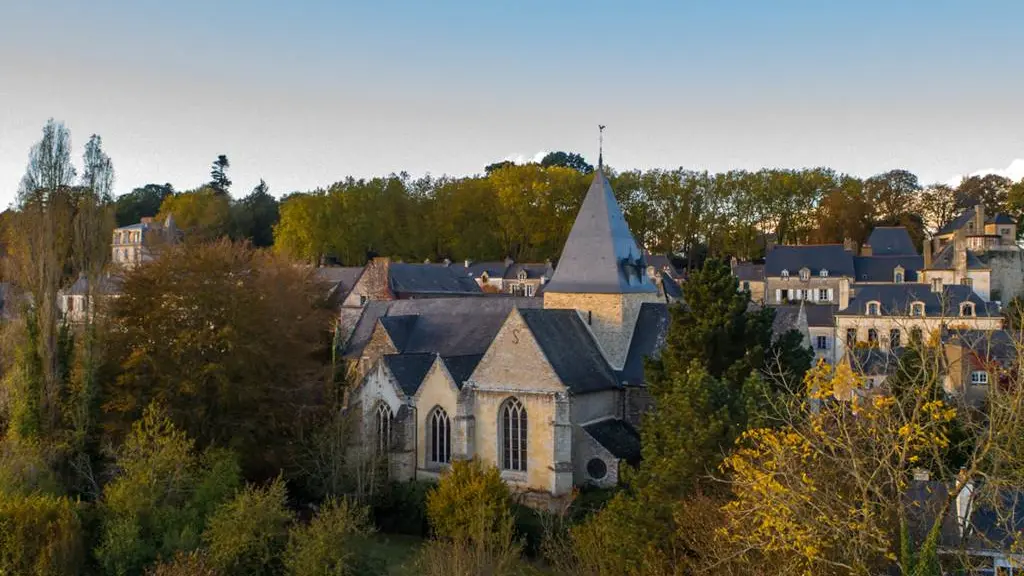
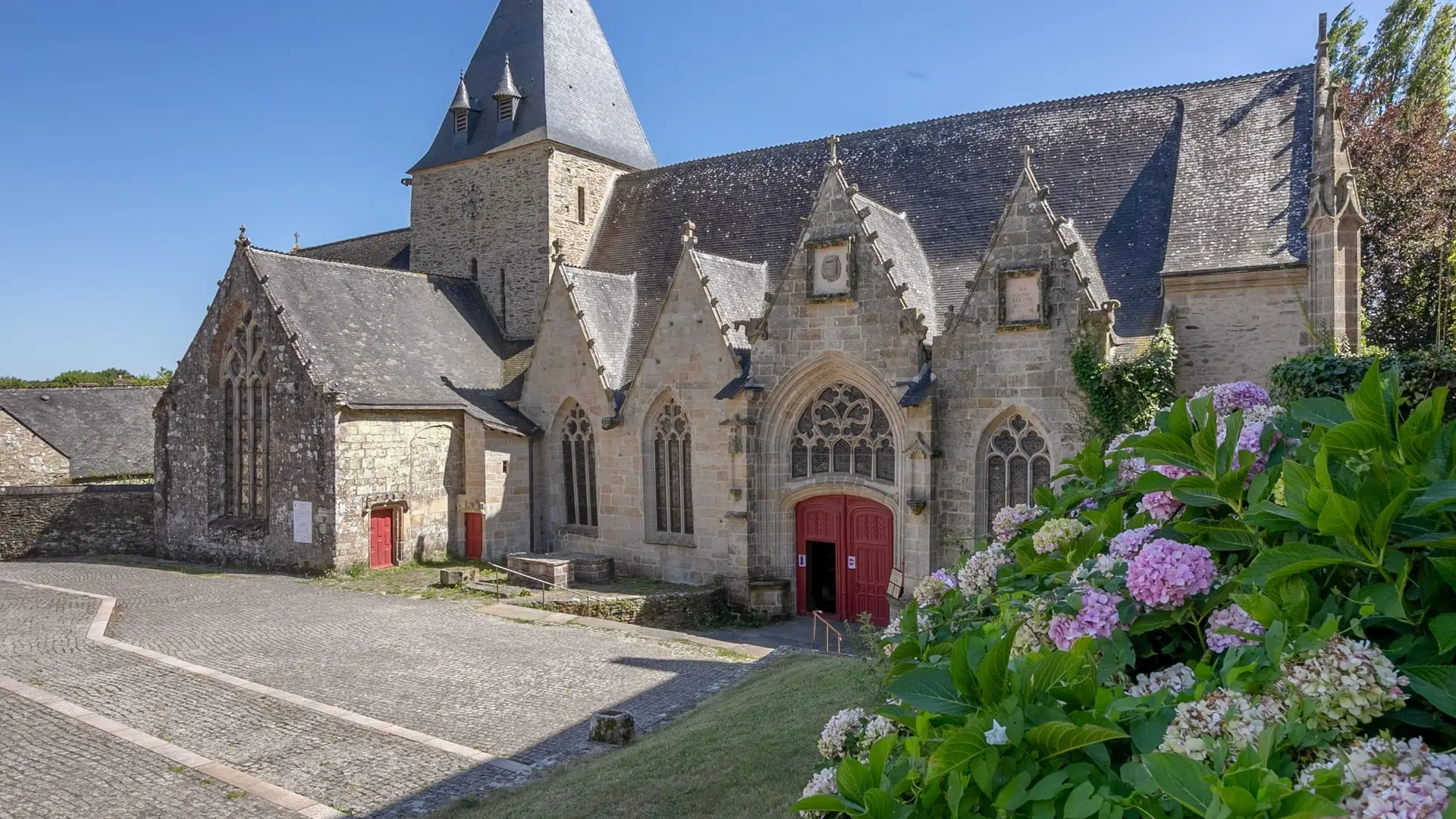
Timeless, majestic, mysterious, there are plenty of adjectives to describe the church of Rochefort-en-Terre. It is an essential place during a visit to the city.
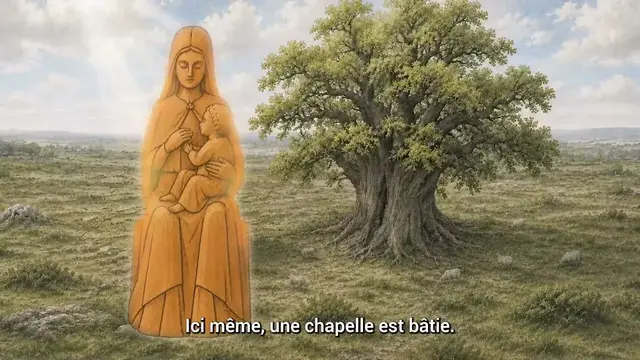
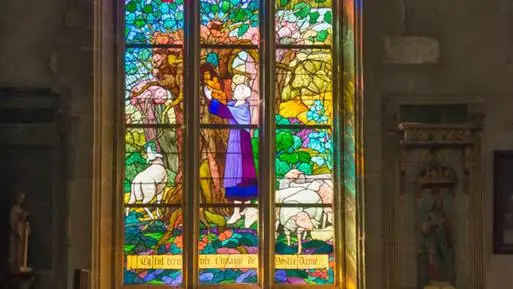
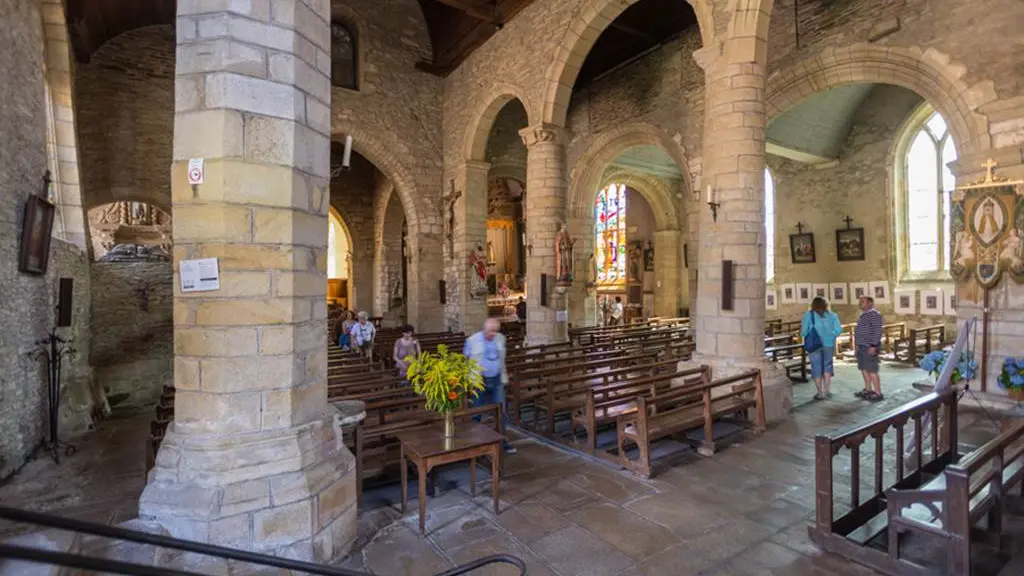
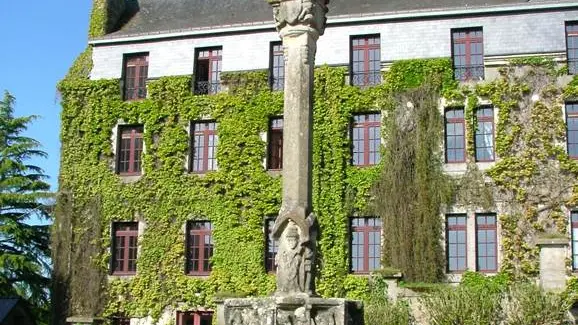
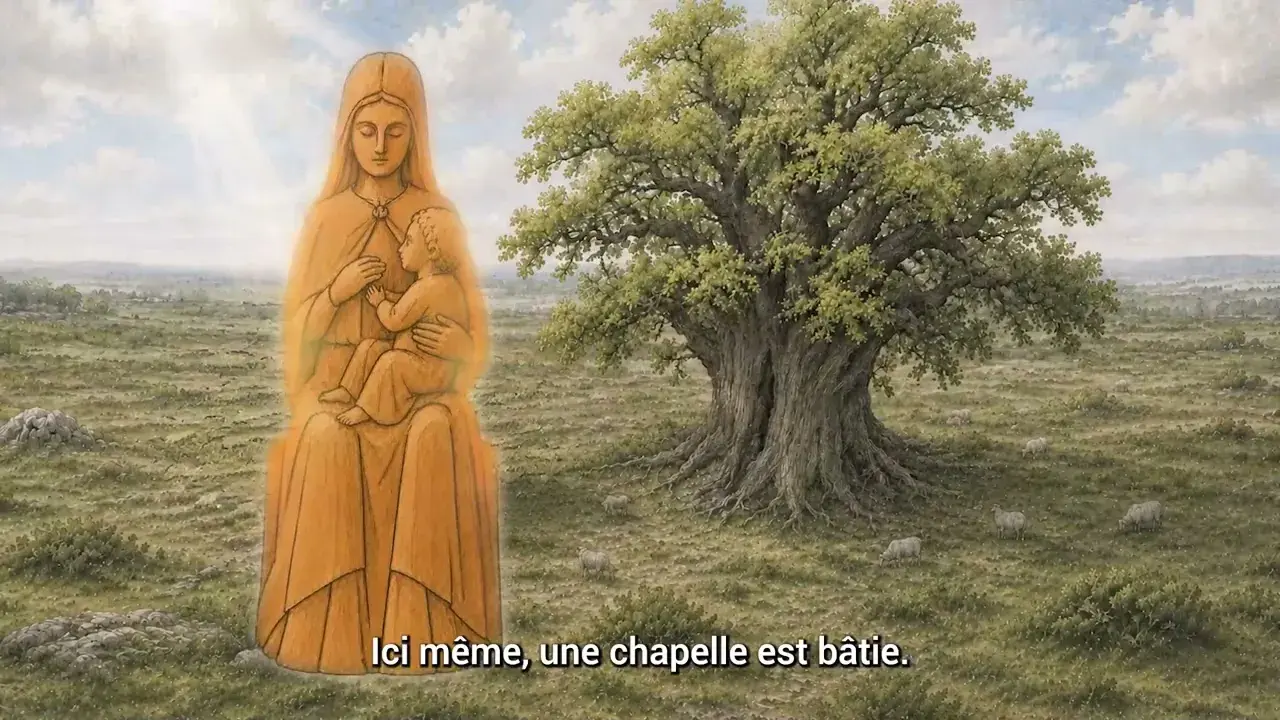
Listed as a Historical Monument, this 12th and 16th-century building boasts a Flamboyant Gothic façade and a Romanesque bell tower. A village map is available free of charge at the Tourist Office reception and can be downloaded online. The Collegiate Church's somewhat isolated location is unusual. Local tradition recounts that in the 10th century, during the Norman (Viking) invasions, a priest hid a wooden statue of the Virgin and Child inside a hollow tree trunk to protect it from looting. Two centuries later, a shepherdess is said to have found the statue in the same trunk; a church was then built on the very spot where it was discovered. This story even gave the church its name, "Notre-Dame de la Tronchaye" (Our Lady of the Trunk). The name "Tronchaye" is believed to derive from the word "tronc" (trunk). Outside: This beautiful building, made of granite and schist, raises its square tower not far from the only two remaining gates of the city (Porte Cadre and Porte de l'Etang). Over time, it underwent numerous modifications: - The north facade was entirely rebuilt in the Flamboyant Gothic style in 1533. - A Calvary cross, donated by Claude I at the beginning of the 16th century, was also erected in the middle of the cemetery. - In the 17th century, an additional nave was added to the south. - Further work was carried out in the 19th century, but it wasn't until 1924 that the interior of the church acquired its current appearance. Inside: Upon entering, one notices the inclination of the columns. This phenomenon is due to the fact that the Collegiate Church was built without foundations, directly on the bedrock: schist. Because of this lack of foundations, the Collegiate Church began to follow the movement of the ground; it was sliding southward! To stop this movement, the south aisle was built: this structure acts as a buttress. Following this construction, the collegiate church did indeed stop sliding, but it began to pivot westward! Once again, a buttress had to be added to the west side of the monument. These movements, and the modifications that followed, occurred gradually over the centuries, reflecting different architectural styles. The collegiate church is a blend of Romanesque (bell tower), Gothic (north facade), and Renaissance styles. To the right of the choir is a magnificent stained-glass window, commissioned in 1927 from a glassmaker in Angers: Mr. Roger Desjardin. This window tells the legend of the shepherdess who found the statue in the hollow tree trunk. The Calvary: It was nicknamed the "Poor Man's Bible." The sculptures, carved from granite, were used by priests to teach the Bible to the illiterate. This Calvary is said to be the only one in Brittany to depict the Passion and Ascension of Christ. Open year-round, from 9 am to 7 pm from Easter to the end of September and from 10 am to 6 pm the rest of the year. No visits are permitted during services. Mass times: Tuesday, Wednesday, Friday, and Saturday at 9 am; Thursday Mass and Adoration at 6 pm; Sunday at 11 am. Below, discover a film written, illustrated, and animated by Studio Cigale with the private support of Michel and Laure Morice. Join the Friends of Our Lady of La Tronchaye in Rochefort-en-Terre and support the upkeep of the sanctuary and other projects of this association via www.helloasso.com/associations/association-des-amis-du-sanctuaire-notre-dame-de-la-tronchaye-de-rochefort-en-terre